
Why Mount Rinjani Is Indonesia’s Most Rewarding Trek
Mountains promise challenge; few deliver reward like this one. From jagged volcanic ridges and a turquoise crater lake to dawns that repaint the sky, the trek up Rinjani packs a lifetime of backcountry moments into a few unforgettable days.
Here’s why this climb is more than a hike — it’s a complete adventure that rewards effort with spectacle, culture, and perspective.
A landscape of Dramatic Contrasts
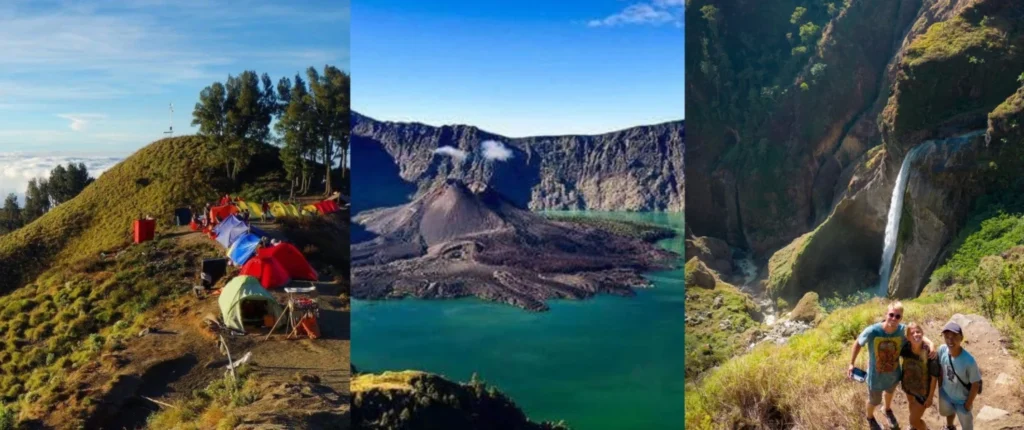
Rinjani’s terrain changes constantly. You move from open savanna to dense montane forest, scramble over volcanic scree, and finally look down into a deep crater that holds a lake of shocking color. That crater lake — Segara Anak — is a scene many trekkers call the highlight of their lives: serene water, steaming vents nearby, and a rim that frames sunrise like a painting.
Multiple Routes, Multiple Experiences
There isn’t one single “Rinjani trek.” The mountain offers distinct routes, each with its own character:
- Sembalun — wide valleys and sunrise summit pushes that favor spectacular dawn views.
- Senaru — lush, shaded trails through forested slopes and a gentler approach to the crater rim.
- Torean — a wilder, more varied route that passes waterfalls and remote valleys.
Because of this variety, groups can tailor their trip to fitness, time, and the type of scenery they want — from high alpine exposures to jungle-cloaked trails.
A Summit with a Sunrise That Justifies Every Step
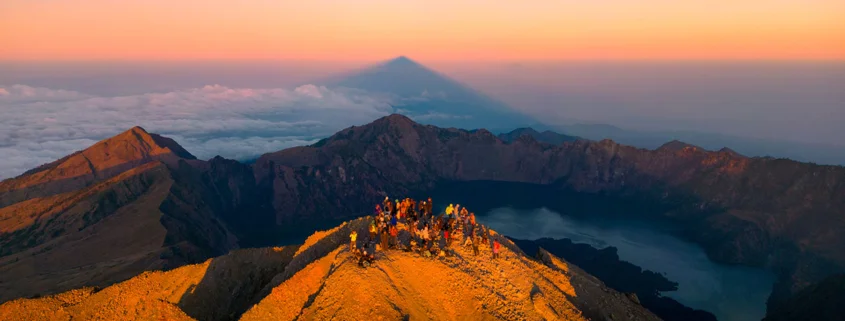
The summit push — often started in the small hours — is steep, physical, and raw. When the eastern horizon erupts in color and the whole crater lights up, the effort suddenly shifts into meaning. Few treks pair such a demanding climb with such an immediate, high-reward payoff.
Deep Cultural and Spiritual Significance
Rinjani is more than geology; it’s woven into local life and belief. Villages around the mountain treat certain areas as sacred, and traditional ceremonies still occur near the crater. Trekking here is an opportunity to learn about those customs from local guides and to respect a landscape that communities value for both livelihood and ritual.
Accessible Yet Challenging — a Perfect Middle Ground
For many international trekkers, Rinjani hits a sweet spot: it’s more demanding than a casual walk but doesn’t require the technical gear of high-altitude alpinism. With reasonable fitness, good preparation, and respect for altitude, most people can complete a 2–4 day trek and walk away changed for the better.
Biodiversity and Unique Geology
As you ascend, the flora and fauna shift noticeably. Lower slopes host tropical trees and birds; higher up you find stunted shrubs and volcanic soils. The mountain’s volcanic history—solidified lava, ash fields, fumaroles—provides dramatic geology that’s both educational and visually arresting.
Well-Established Support — But Still Authentic
While Rinjani is popular, it hasn’t been turned into a theme-park trail. Local guides and porters still play a central role in every trek, and the equipment-for-hire system makes the mountain accessible to independent travelers while preserving local livelihoods.
Tips for Getting the Most Reward
- Train for steep climbs and long days; conditioning transforms the experience.
- Respect local customs and campsite rules — the mountain is sacred to many.
- Bring layers: dawn and high elevations are cold, even after tropical days.
- Hire an experienced local guide for safety, navigation, and cultural insight.
- Practice Leave No Trace: the mountain’s beauty depends on the way we treat it.
Conservation Matters
Rinjani sits within the protection of Mount Rinjani National Park, and responsible trekking keeps the area pristine for future generations. Follow rules, carry out trash, and support sustainable operators when you can.
In short, the Rinjani trek rewards more than endurance. It rewards curiosity, humility, and the willingness to be small in front of something wildly beautiful. If you want a trek that tests your legs and fills your memory bank with moments — from crater lakes and sunrise summits to village stories and volcanic geology — few places in Indonesia beat this mountain.