
Complete Mount Rinjani Trekking Guide: Tips, Routes, Packing List & Best Trekking Packages
Plan your Mount Rinjani adventure with our complete trekking guide, including routes, hiking tips, packing lists, permits, and the best Rinjani trekking packages in Lombok.
Mount Rinjani (3,726 meters above sea level) in Lombok is one of the most epic trekking destinations in Indonesia. From the vast savannas of Sembalun and the lush tropical forests of Senaru to the stunning blue waters of Segara Anak Lake and the unforgettable sunrise above the clouds from the summit, every step offers a breathtaking experience.
As a local trekking operator with years of experience guiding hikers on Mount Rinjani, we’ve created this comprehensive guide to help you enjoy a safer, more comfortable, and more memorable adventure. Inside, you’ll find everything you need to know—from physical preparation and recommended packing lists to route options and the trekking packages we offer.
Why Choose Us for Your Mount Rinjani Trek?
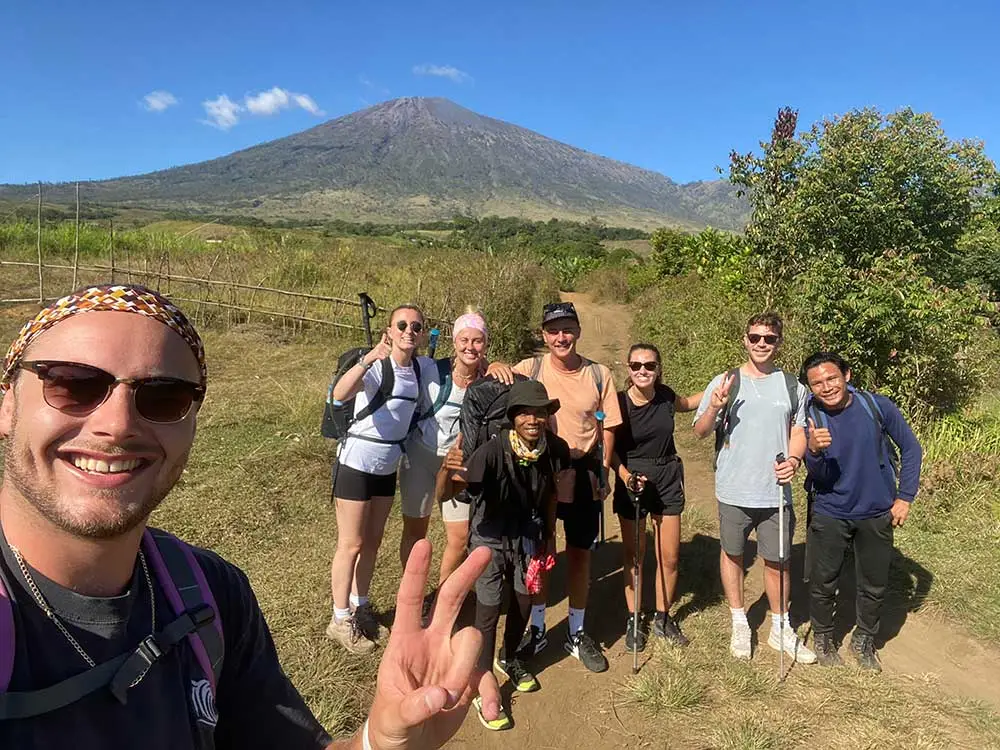
Certified Local Guides
Experienced local guides with expert knowledge of Mount Rinjani trails, safety, and mountain conditions.
Friendly & Professional Team
A welcoming team dedicated to making your trekking experience safe, smooth, and enjoyable.
Safety & Comfort Priority
Your safety and comfort are our top priorities on every trek, from start to summit.
Eco-Minded Trekking Experience
We promote responsible trekking by reducing waste and helping protect the natural beauty of Mount Rinjani.
Supporting Local Communities Sustainably
Every trip supports local guides, porters, and communities around Lombok.
Competitive and reasonable price
Affordable trekking packages with quality service, professional support, and no hidden costs.
Mount Rinjani Trekking Routes
Mount Rinjani has several official trekking routes managed by the Mount Rinjani National Park. Below is a summary of the most commonly used routes:
1. Sembalun Route (Most Popular for the Summit)
- Starting Point: Sembalun Village (approximately 1,150 meters above sea level)
- Characteristics: Open savanna landscapes with expansive views, featuring a gradual ascent that becomes steep near the summit
- Best For: Trekkers aiming to reach the summit of Mount Rinjani (3,726 meters above sea level)
2. Senaru Route (Ideal for Beginners)
- Starting Point: Senaru Village (approximately 600 meters above sea level)
- Characteristics: Lush tropical rainforest, cooler and more shaded, with stunning views of the crater rim
- Best For: Trekkers who want to experience the crater rim without summiting, or those using it as a descent route
3. Torean Route (Most Scenic & Less Crowded as a Starting Point, but Currently the Most Popular Descent Route)
- Starting Point: Torean Village
- Characteristics: Lush green valleys, rivers, waterfalls, and a more natural, untouched landscape
- Commonly Used As: A descent route after reaching the summit or visiting the crater lake, offering a more scenic and rewarding way to finish the trek.
4. Combination Route (The Complete Rinjani Experience)
Most summit trekking packages combine the Sembalun Route for the ascent with either the Senaru or Torean Route for the descent. This combination allows you to experience the best of Mount Rinjani in a single journey—from sweeping savanna landscapes and the summit to the crater lake, natural hot springs, and lush tropical rainforest.
We’ll help you choose the route that best matches your fitness level, trekking experience, and adventure goals.
Mount Rinjani Trekking Packages We Offer
We offer a variety of Mount Rinjani trekking packages to suit your fitness level, schedule, and travel preferences. Choose the adventure that best matches your goals and experience.
2 Days 1 Night – Senaru Crater Rim
Perfect for beginners or travelers with limited time. Experience the beauty of Senaru’s lush tropical rainforest and enjoy breathtaking views from the Mount Rinjani crater rim.
3 Days 2 Nights Mount Rinjani Classic Summit Trek
Our most popular package. Reach the 3,726-meter summit of Mount Rinjani, explore the breathtaking Segara Anak Crater Lake, and relax in the natural hot springs for the ultimate Rinjani trekking experience.
4 Days 3 Nights Mount Rinjani Full Experience Trek
The perfect choice for those who prefer a more relaxed pace. Conquer the Mount Rinjani summit, then enjoy extra time exploring Segara Anak Crater Lake and soaking in the natural hot springs without feeling rushed.
Fitness Tips Before Your Mount Rinjani Trek
Mount Rinjani is not an easy trek. Steep trails, loose volcanic sand on the summit ascent, and 6–12 hours of hiking each day require a good level of fitness and endurance. Many trekkers struggle to reach the summit or experience excessive fatigue simply because they underestimate the physical demands and don’t prepare adequately beforehand.
Start training at least 4–8 weeks before your trek. To improve your endurance and increase your chances of enjoying a successful Mount Rinjani adventure, we recommend following this training plan:
1. Cardio (3–4 Times per Week)
- Brisk walking or jogging for 45–60 minutes.
- Cycling or swimming are excellent low-impact alternatives
Goal: Build cardiovascular endurance so your heart and lungs can handle long days of trekking at high altitude.
2. Stair Climbing / Uphill Training (2–3 Times per Week)
- Climb up and down 300–500 stairs per session.
- Alternatively, hike a nearby hill or small mountain
Goal: Simulate the long, continuous uphill climbs you’ll encounter on the Mount Rinjani trek.
3. Leg & Core Strength Training
- Squats, lunges, and step-ups (3 sets × 12–15 reps each).
- Planks and core exercises to improve balance and stability
Strong legs and a stable core are especially important when descending from the summit and navigating Mount Rinjani’s loose volcanic sand.
4. Weighted Pack Training
- Walk or hike while carrying a 5–7 kg (11–15 lb) daypack.
- Do this once a week to help your body adapt to hiking with extra weight and prepare for the demands of the Mount Rinjani trek.
5. Flexibility & Recovery
- Finish each workout with light stretching or yoga to improve flexibility and reduce muscle soreness.
- Get enough rest and stay well hydrated to support recovery and prepare your body for the physical demands of the Mount Rinjani trek.
Minimum Fitness Goal
Before trekking Mount Rinjani, you should be comfortable hiking 15–20 km (9–12 miles) in a single day over varied terrain with sustained uphill and downhill sections. Reaching this fitness level will help you enjoy the trek more safely and comfortably while reducing the risk of excessive fatigue or injury.
Recommended Personal Trekking Gear
Although we provide complete camping equipment for your Mount Rinjani trek, there are a few essential personal items you should bring to ensure a safe, comfortable, and enjoyable hiking experience:
1. Trekking Shoes
Choose trekking shoes with excellent grip, good ankle support, and make sure they are well broken in before your trip. Avoid wearing brand-new shoes that haven’t been tested. Mount Rinjani’s trails feature rocky terrain, loose soil, and volcanic sand, so proper footwear is essential for comfort, stability, and safety.
2. Warm Clothing & Layering
- Long-sleeve shirt or thermal base layer
- Fleece jacket or insulating mid-layer
- Windproof or softshell jacket, plus a waterproof rain jacket
Nighttime temperatures at the crater rim typically range from 5–10°C (41–50°F), while the summit before sunrise can drop to around 0°C (32°F). A proper layering system is essential, allowing you to adjust your clothing as temperatures and weather conditions change throughout the trek.
3. Gloves
Bring a pair of lightweight gloves and a pair of insulated or waterproof gloves. They are especially useful during the pre-dawn summit push, when temperatures are low and strong winds can make your hands feel extremely cold.
4. Trekking Pole
Highly recommended! Trekking poles help improve balance on steep ascents, reduce strain on your knees during descents, and provide extra stability on the loose volcanic sand encountered during the summit climb.
5. Personal First Aid Kit
Bring a small personal first aid kit containing adhesive bandages, gauze or a bandage roll, pain relievers, antacids, anti-diarrheal medication, cold and flu medicine, anti-nausea medication, and any prescription or personal medications you regularly take.
Additional Recommended Items
- Headlamp + spare batteries (essential for the summit push)
- Extra trekking socks (minimum 3 pairs recommended)
- Rain jacket or poncho
- Hat and buff/scarf
- Sunscreen and sunglasses
- Water bottle or hydration bladder (2–3 liters)
- Power bank
- Personal snacks (energy bars, chocolate, nuts, or other high-energy foods)
Our Tips:
The ideal daypack weight is a maximum of 7 kg (15 lbs). The lighter your backpack, the more comfortable your trek will be. All heavy equipment, including tents, sleeping bags, food supplies, and cooking equipment, will be carried by our porters, allowing you to focus on enjoying your Mount Rinjani adventure.
Best Time to Trek in 2026
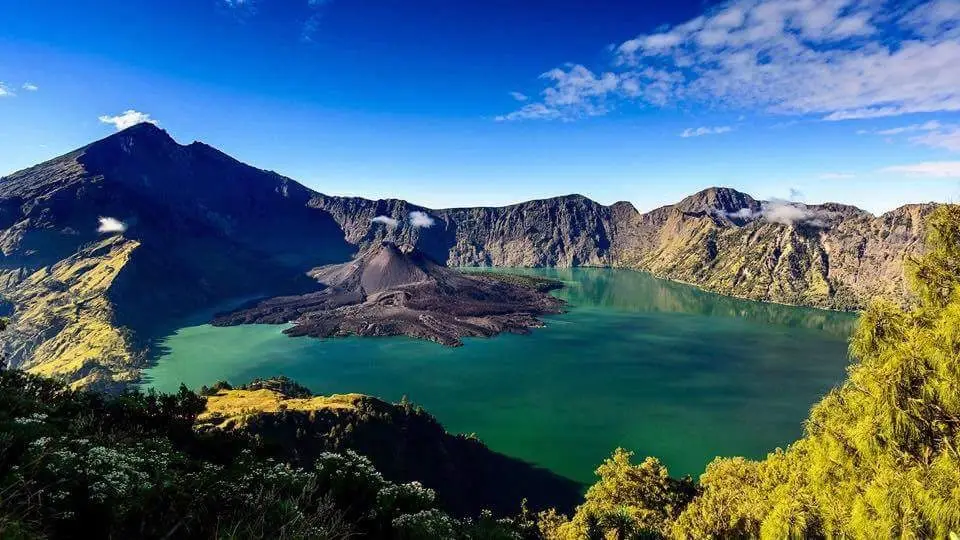
Mount Rinjani is open from April to December.
Our recommended months to trek are May–June and September–October, when the weather conditions are generally favorable and the trails are less crowded.
July–August is the peak season, so we highly recommend booking early as trekking permits are limited and availability can fill up quickly.
Make Your Mount Rinjani Adventure a Reality!
Daily trekking quotas are limited, and popular dates fill up quickly, especially during peak season. Don’t wait until it’s too late and end up only seeing photos of others standing on the Mount Rinjani summit.
Get in touch with us to:
- Get free consultation to choose the best package based on your fitness level and budget
- Check availability for your preferred trekking dates
- Get special offers for private trips or group bookings
Mount Rinjani is waiting. Our team is ready to guide you every step of the way.
See you on the trail,
The HaLoMi Trekker Team