Mount Rinjani Guides & Porters
Honest, practical guide to Rinjani guides and porters — roles, what they carry, tipping, safety tips, and how to respect the local crew.
Who They Are and Why They Matter
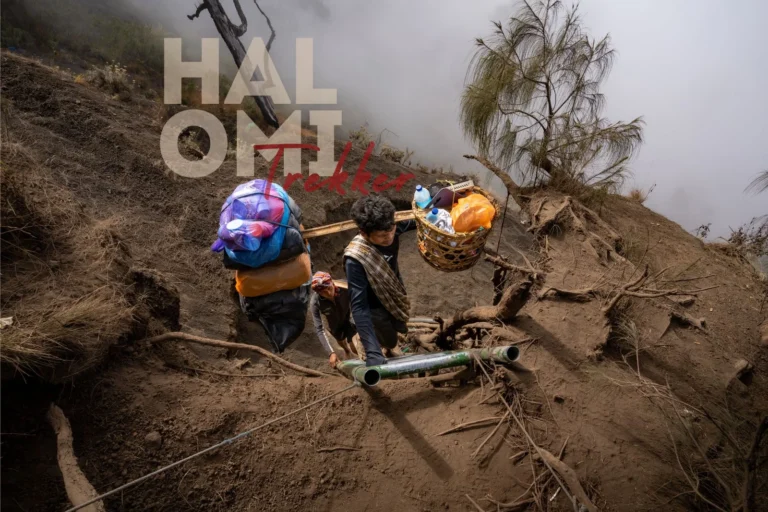
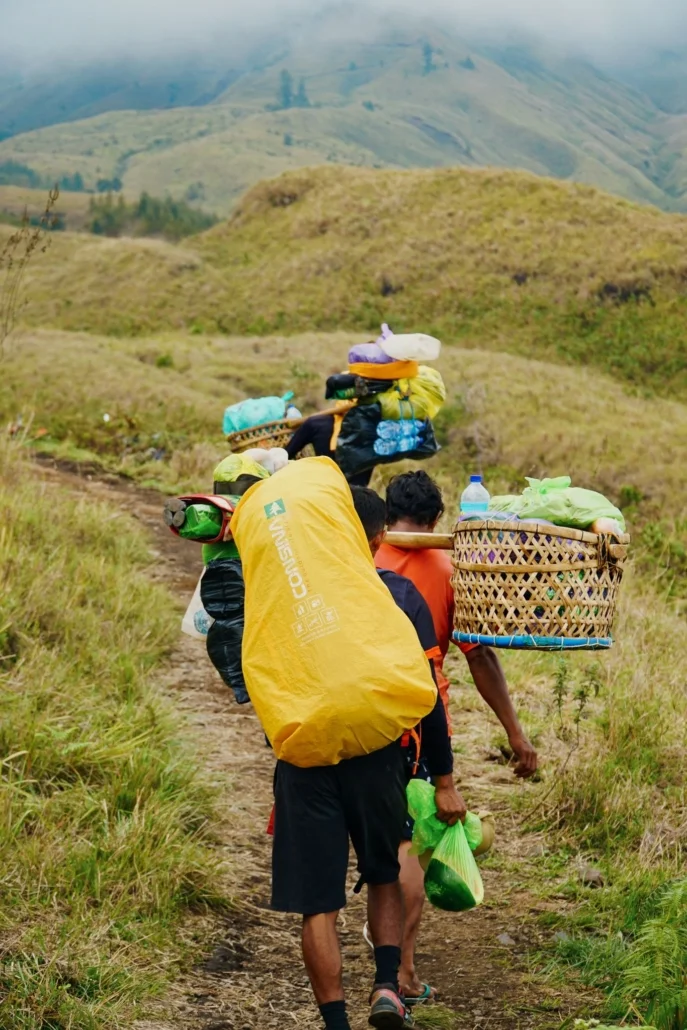
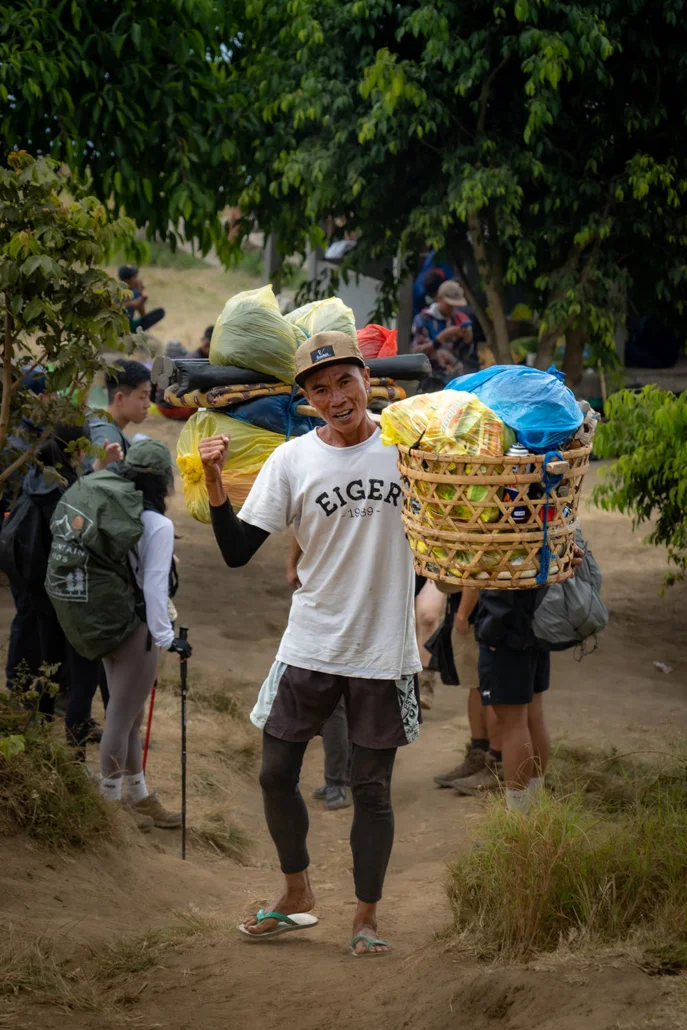
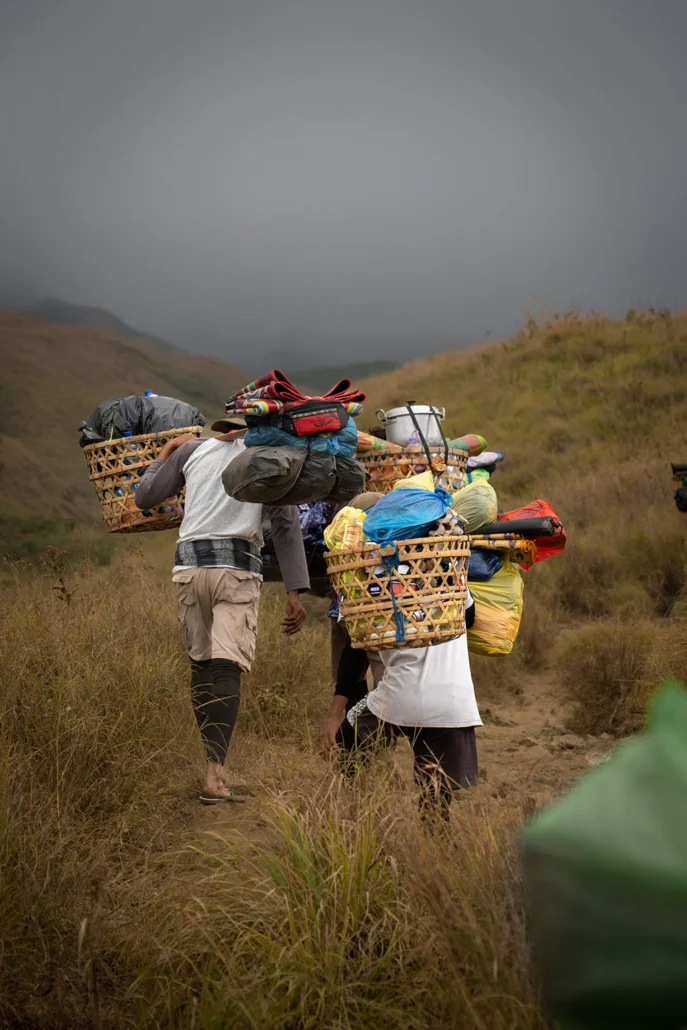
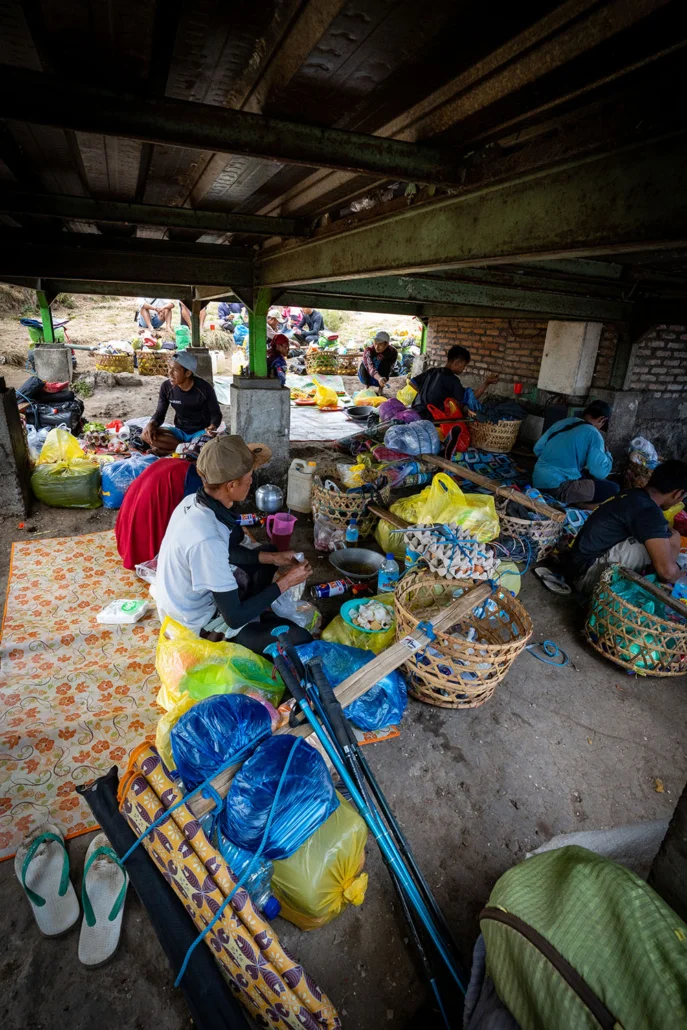
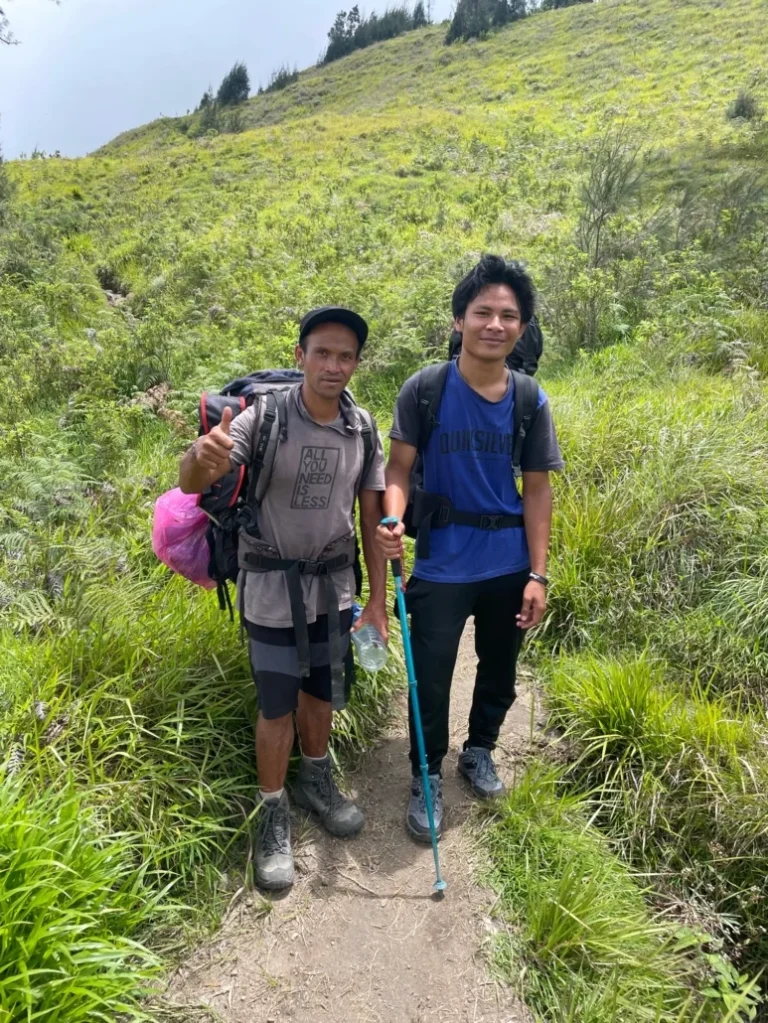
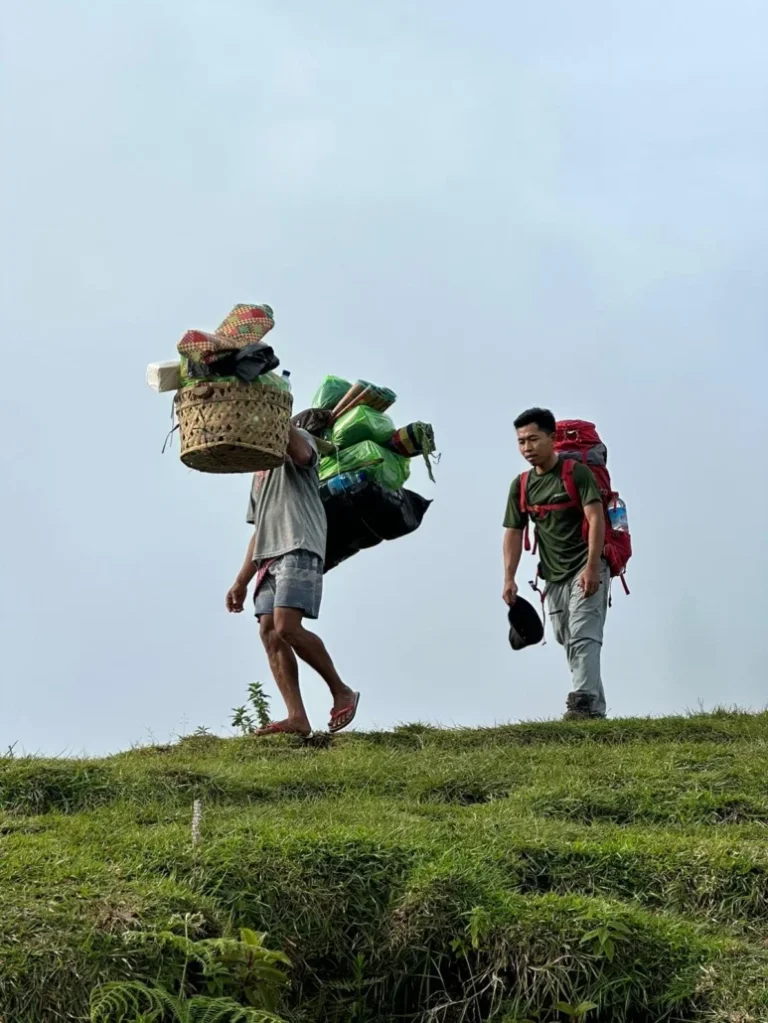
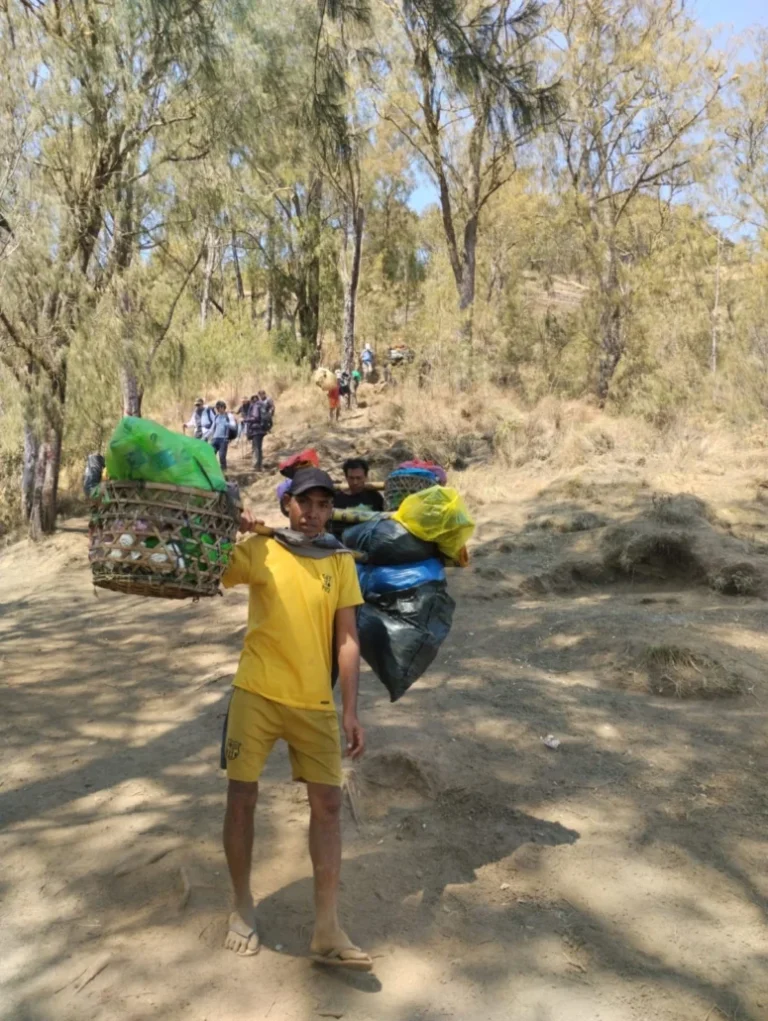
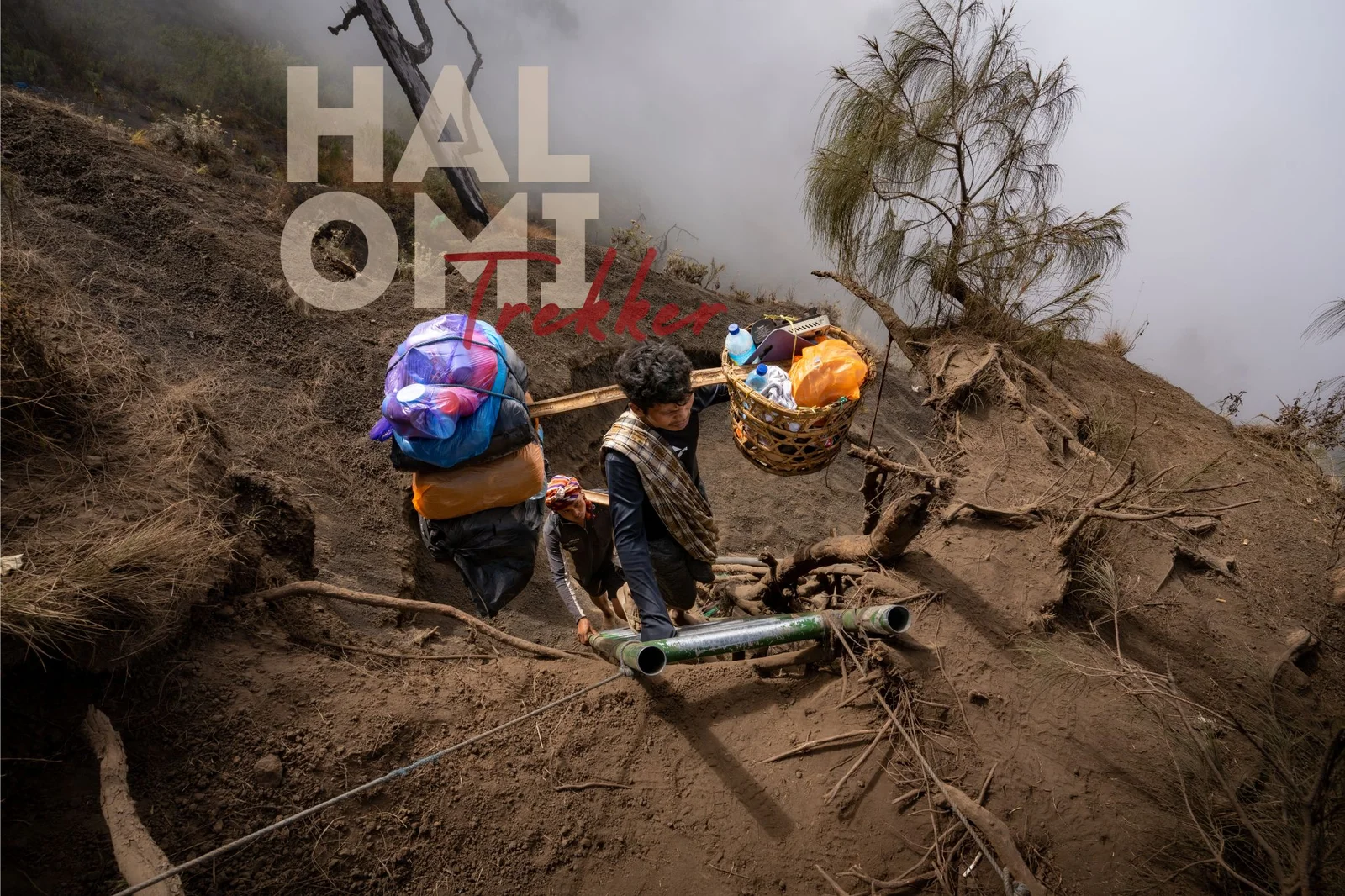
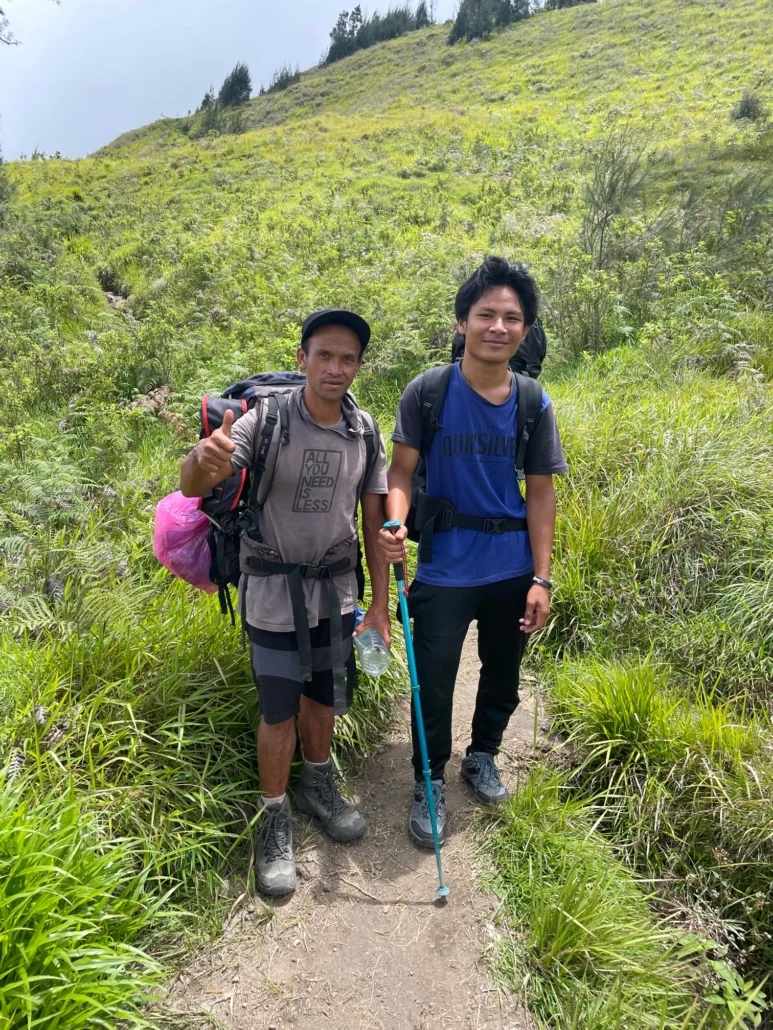
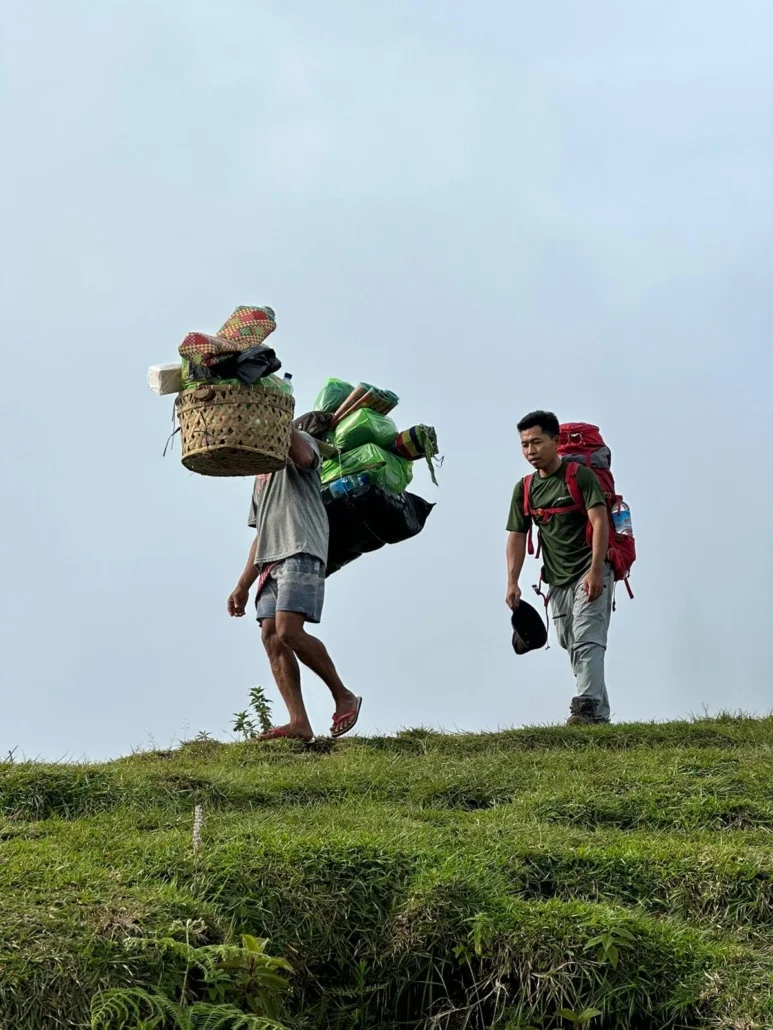
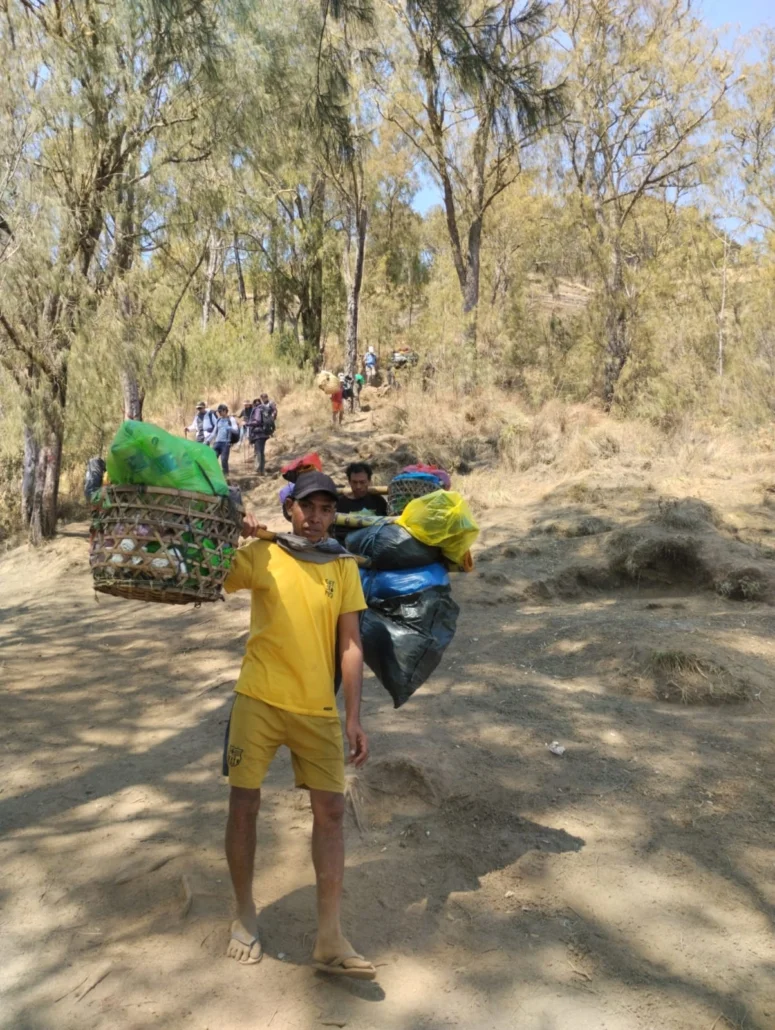
Guides are trained locals who lead groups, set pace, read the trail, handle navigation, and manage safety during the trek. Porters are the backbone of the operation: they carry tents, cooking gear, food, water, and other logistics; they arrive early to set up camp and often cook for the group. Together they make summit attempts possible while letting trekkers carry only a light daypack.
Typical Duties
- Guides: choose the route for each day, monitor climbers for altitude sickness or injury, coordinate schedules, and provide local cultural and natural history. They frequently carry first-aid kits and know evacuation options.
- Porters: carry communal equipment, pitch tents, fetch and boil water, prepare meals, and pack camp each morning. In many teams porters double as cooks and campsite managers.
How Much Do Porters Carry?
Porter loads vary with group size and itinerary, but a common and widely reported guideline is around 20–25 kg per porter for standard multi-day Rinjani treks. This helps balance efficiency with the porter’s safety and endurance. (Always confirm limits with your operator before the trek.)
Where The Crews Come From
Most guides and porters are local Sasak people from the mountain villages (for example Senaru and Sembalun). Guiding and porter work is an important local income source and many families rely on trekking seasons to support their household. Respecting this economic reality helps explain fair-pay practices and customary tipping.
Money Matters — Pay and Tipping
Many operators publish standard daily rates for guides and porters, and a customary tip on top of the agreed fee is common among international trekkers. Some local guides recommend a minimum tip guideline (for example, a starter suggestion of around IDR 100,000 per guide/porter per hiker, though amounts vary). If you hire extra porters for personal luggage the operator will usually list an extra-per-porter price. Always confirm payment methods (operator vs. direct to porter) before the trip.
Practical Tips For Trekkers
- Pack smart: put only personal items in your daypack unless you’ve paid for an extra porter.
- Communicate clearly: ask at the start who will carry what and what the porter weight limit is.
- Respect equipment: tents, cooking gear, and stoves are communal — treat them carefully.
- Tip fairly and in person if the porter expects direct payment; follow your operator’s guidance on tipping practice.
- Protect the mountain: help carry out trash and follow Leave No Trace principles — many porter teams also help manage waste.
Final Note
Guides and porters are professional, highly skilled, and deeply familiar with the mountain’s challenges. Treat them with respect, confirm expectations before you climb, and remember that fair pay and good manners make for better, safer trekking — for you and for the local community that keeps the mountain open for everyone.